
Water and biodiversity
Water and Biodiversity in the Garden
Water-saving earthworks, native hedgerows, and habitat corners that keep rainfall in the root zone and bring useful wildlife into the garden.
Water retention
Holding rainfall where plants can reach it
Swales follow the contour and slow runoff so water soaks into the soil. Rainwater barrels capture roof runoff for dry spells, and a deep layer of mulch keeps the surface moist and cool.
Drip irrigation delivers water at the root zone with less loss to evaporation than overhead watering, so each litre does more work.
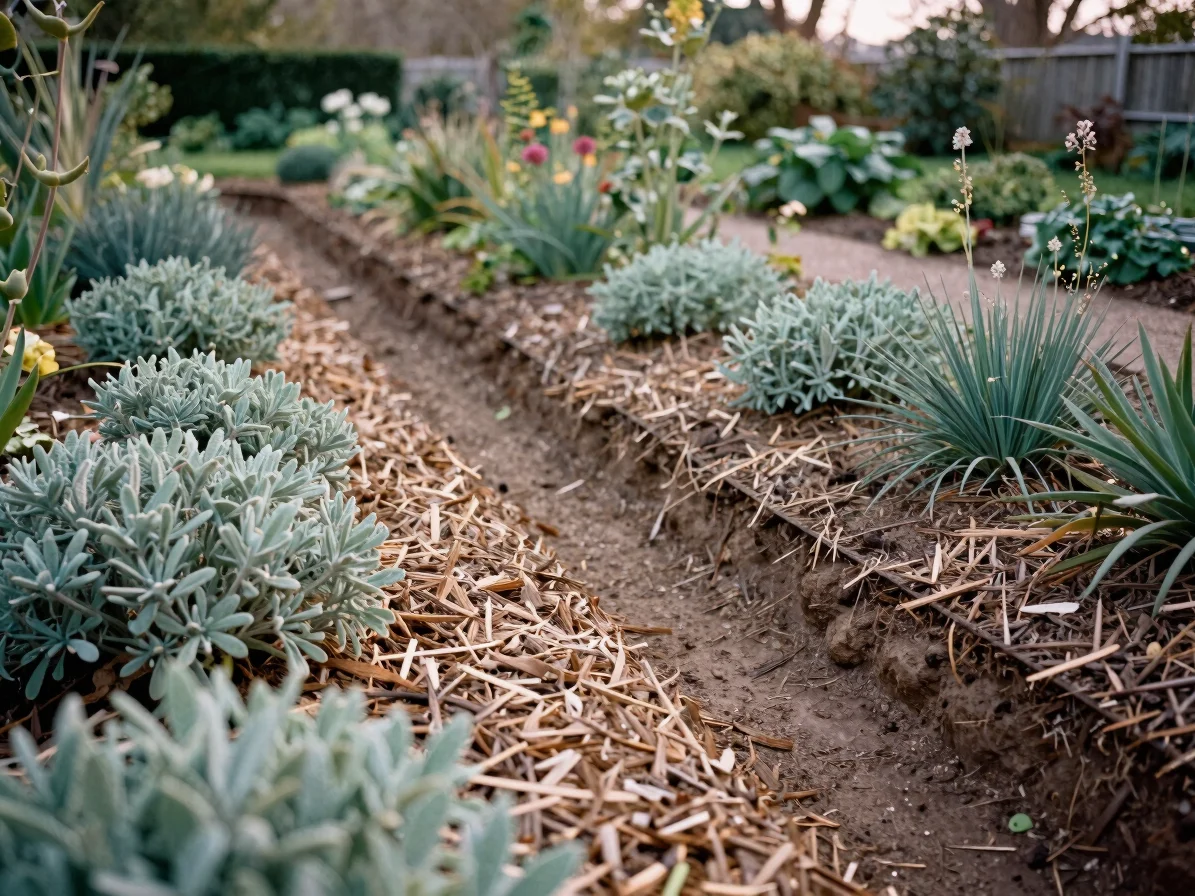
Shade cloth and surface mulch reduce heat stress on young plants during dry weeks.
Habitat
Native hedges, shelters, and nectar
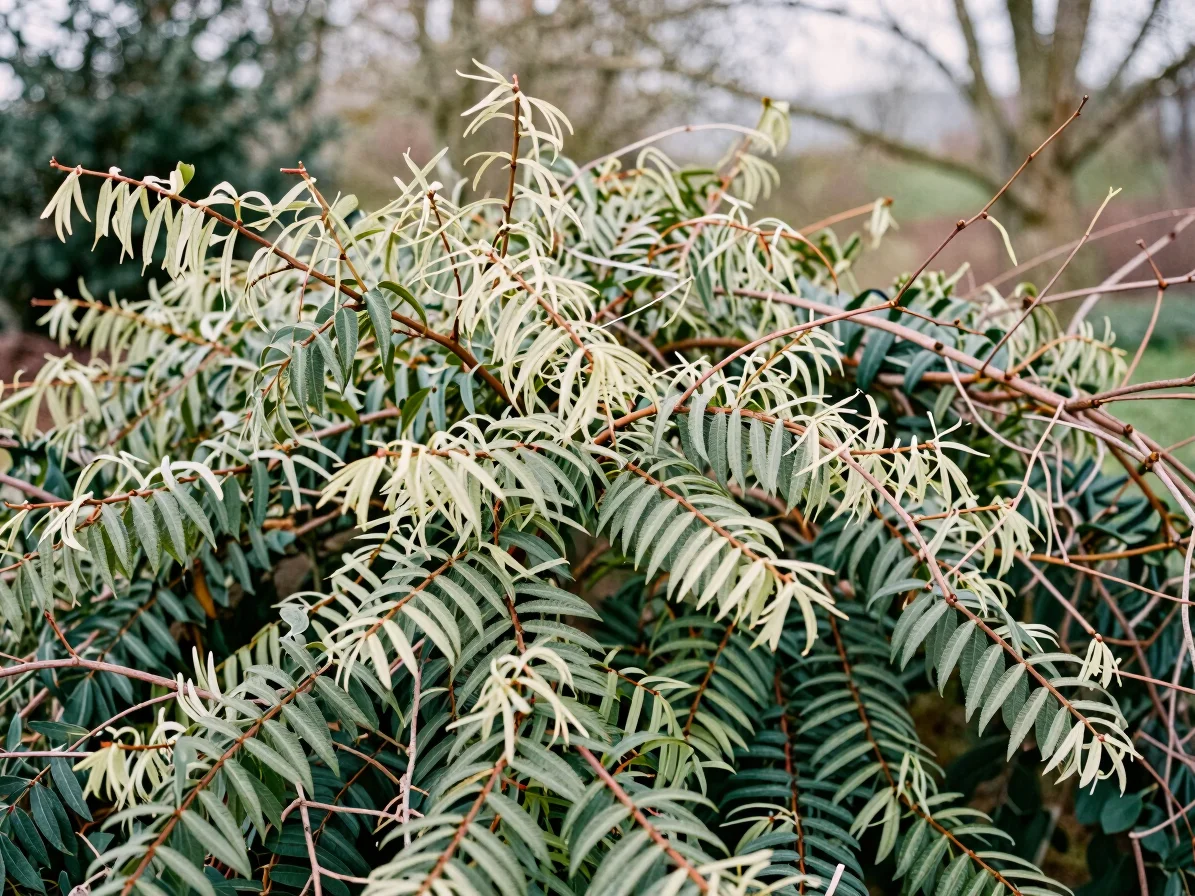
Native hedges
Mixed native hedgerows act as windbreaks, wildlife corridors, and perches for predatory birds.
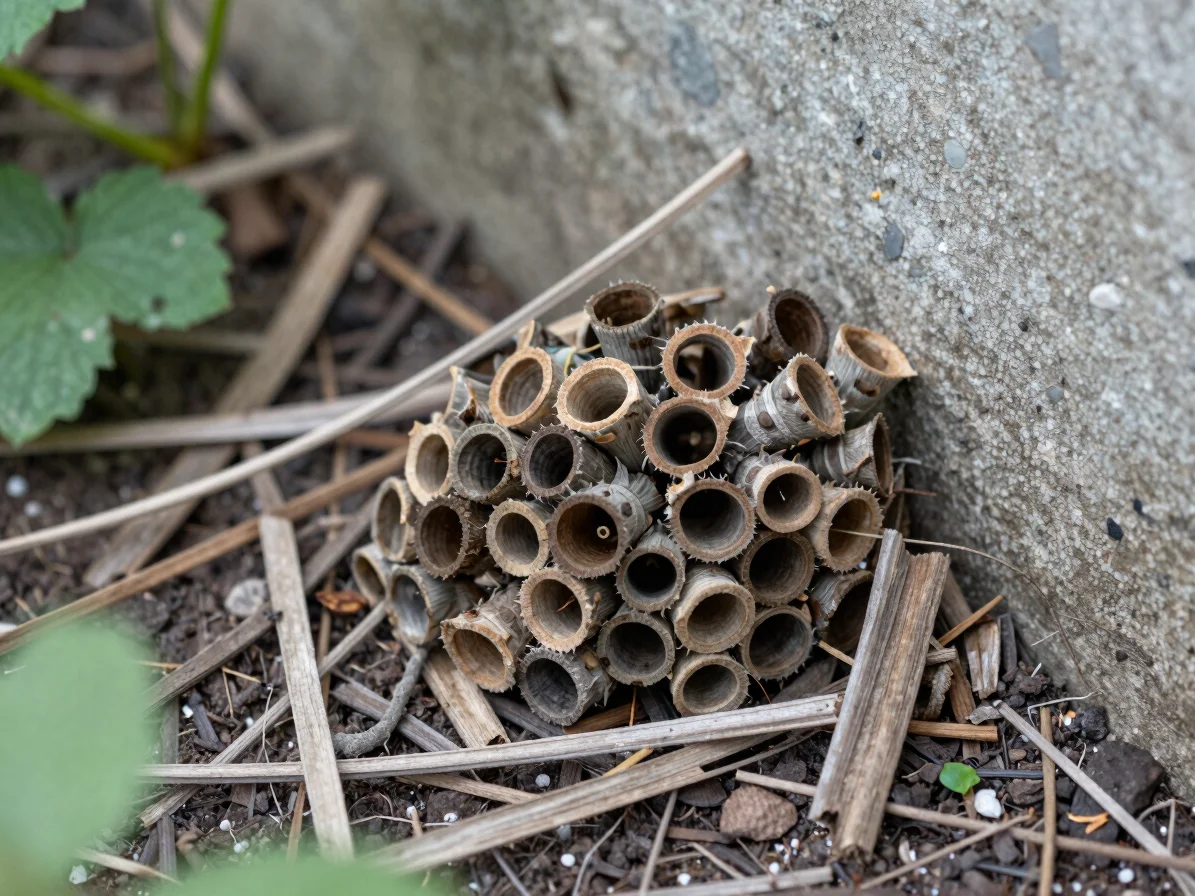
Beneficial insect shelters
Bundles of hollow stems, log piles, and uncultivated corners give pollinators and predators a place to overwinter.
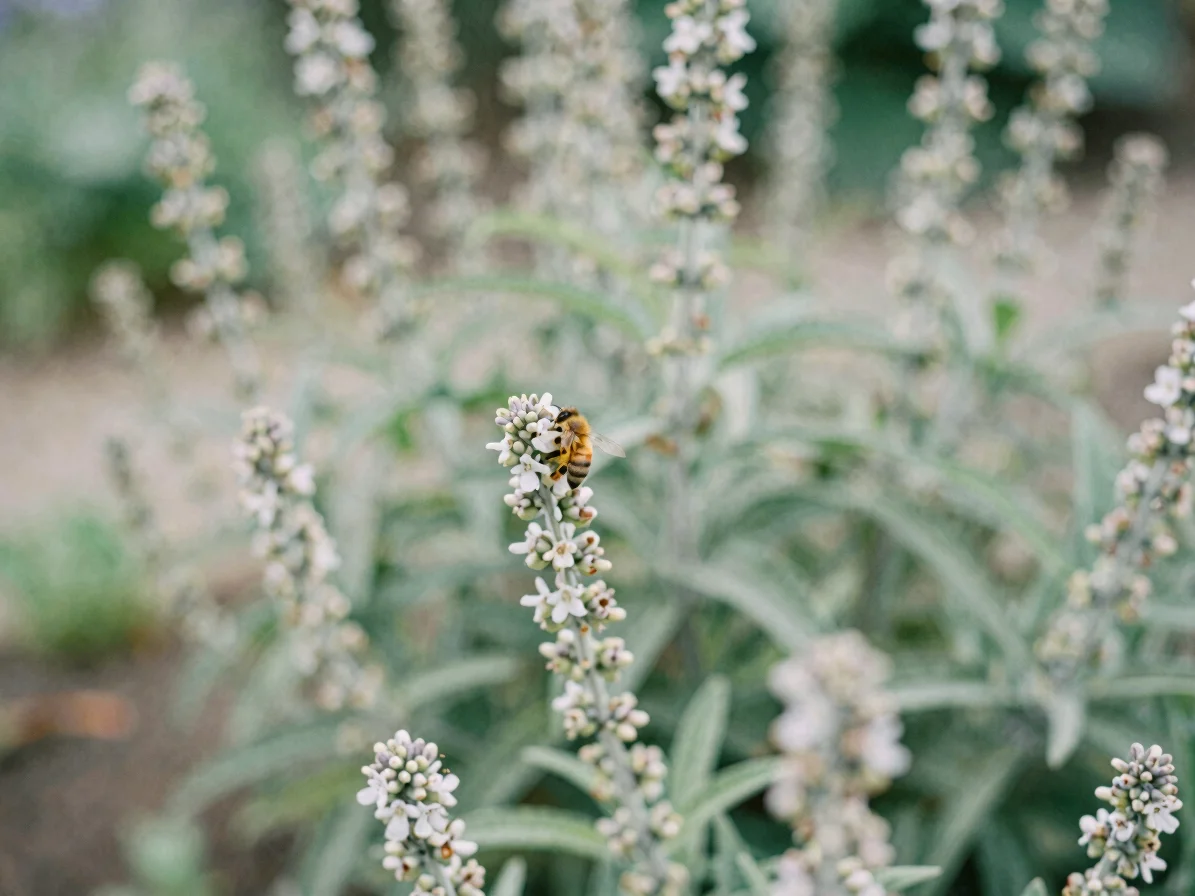
A nectar calendar
Plan flowering perennials so that pollen and nectar are available from early spring through late autumn.