Principles and design
Permaculture: observe first, then design
Good garden layout begins with watching sunlight, slope, wind, and water flow. These notes set out the core principles and how zones organise a home plot.
Design principles
Three tenets for the garden plan
01
Sector observation
Map sunlight, prevailing wind, slope, and water flow across the seasons before placing beds. Each sector shows how the site actually behaves.
02
Stacking functions
Give each element several jobs: a hedge that shelters, feeds wildlife, and holds moisture. Stacked functions reduce the work needed to keep the garden healthy.
03
Energy efficiency
Place high-maintenance herbs and vegetables closest to the daily pathway. Zoning keeps walking distances short and diverse polycultures reduce pest pressure naturally.
Applying the design
Zone planning on a home plot
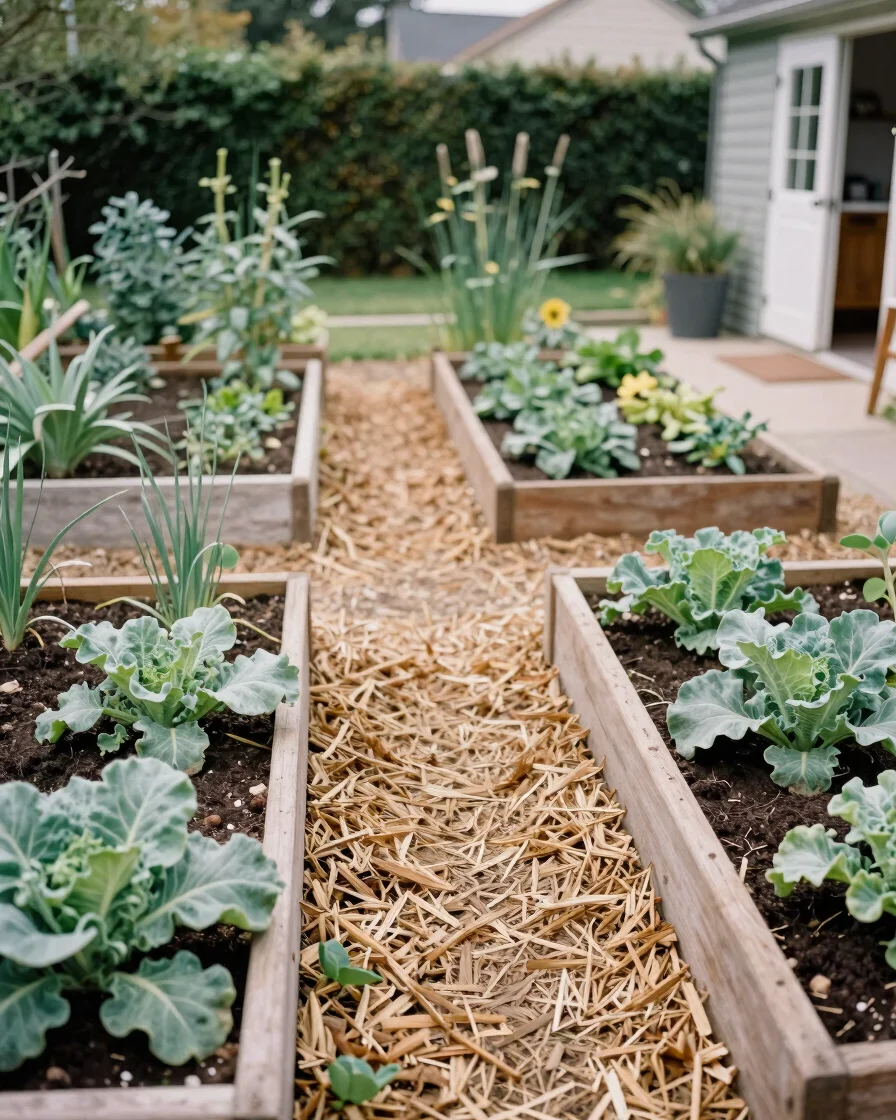
On a home plot, zone one sits by the kitchen door with herbs, salads, and frequently picked crops. Further out, perennial plantings, hedgerows, and rougher areas take on lower-intensity tasks. The plan follows observation, so each zone fits the site as it is.
Start with one sector you can watch for a full season. Adjust the layout as you learn where water pools, where shade falls, and where wildlife settles.